







 What we do
 2023 Round B Grant Recipients
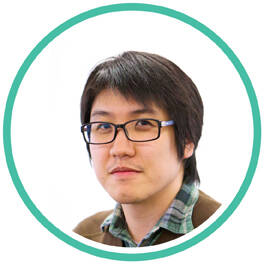
University of Otago
$306,849
Harnessing multimodal MRI, genomics and deep transfer learning to reduce ethnicity bias in MRI-based biomarkers
Artificial intelligence and big data of brain scans have led to the development of brain-based biomarkers, found to be useful for disorders such as Alzheimer’s and schizophrenia. However, artificial intelligence usually builds these biomarkers from a non-diverse population, mainly people of European descent. Accordingly, applying these biomarkers to people of different ethnicities can be problematic. Our goals are to formally examine this problem and to ease the problem via various bioinformatic strategies. People of all ethnicities, across the world, deserve to benefit from these exciting technologies. Our project will play a critical step in ensuring this.
Dr Pat is a cognitive neuroscientist in the Department of Psychology at the University of Otago in Dunedin. This project supports early career researcher Alina Tetereva, and collaborates with MRI physicist Associate Professor Tracy Melzer, data scientist Associate Professor Jeremiah Deng, and Dr Ric Anney from Cardiff University.
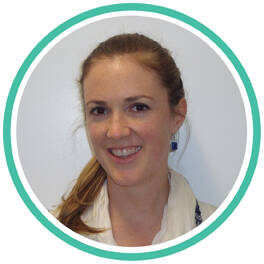
University of Auckland
$299,924
Inflammation-sensitised hypoxic-ischaemic brain injury – should we treat with the combination of cooling and interleukin-1 receptor antagonist
Oxygen deprivation at birth can lead to death, brain damage and disability. Thankfully, we are now able to reduce brain damage for many babies by cooling their brains after birth. However, some babies will still develop brain damage despite treatment. In this study, we will test our belief that exposure to inflammation in addition to oxygen deprivation will lead to more severe brain damage that will not respond as well to treatment with cooling. We will also investigate whether treating with an anti-inflammatory drug as well as cooling will protect the brain better than cooling alone.
Dr Davidson is an Associate Professor in the Department of Physiology at the University of Auckland. She is working with a leading expert on therapeutic hypothermia, Professor Alistair Gunn. This will be the first postdoctoral project for Alice McDouall, a Neurological Foundation scholarship recipient.

University of Otago
$298,194
Genetic answers for neurodevelopmental conditions in New Zealand families
Our research programme is passionate about finding answers for families with rare genetic disorders that affect children’s development and potential. This project will support us to supercharge our genetic analysis by integrating cutting-edge computational tools, will enable better connections between diagnostic and research labs, and will give us time and support to study alterations in the lab. Together, we will be able to help more New Zealand families affected by neurodevelopmental disorders, and through our international connections, more families from around the world.
Dr Bicknell is an Associate Professor in the Department of Biochemistry at the University of Otago in Dunedin. The project will be carried out by assistant research fellows and students.
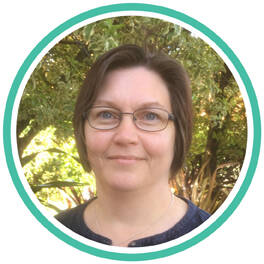
University of Otago
$258,422
Order from chaos: seeking common points-of-failure in brain development that result in developmental and epileptic encephalopathy (DEE)
Our project aims to understand how the brain is altered in developmental and epileptic encephalopathies (DEE). DEE is caused by a genetic error (variant) in one of hundreds of genes, leading to seizures and developmental delays starting in early infancy. We will replicate NZ patient DEE variants in tadpoles, confirm they develop seizures, and then investigate how brain development has been altered. By identifying common mechanisms causing DEE, we will identify potential targets for drug therapies in the future. Our study has the potential to improve clinical management of DEE, which could lead to better care and outcomes for patients.
Dr Beck is an Associate Professor in the Department of Zoology at the University of Otago in Dunedin. The project will support early career research fellow, Dr Banerjee, to establish a career in genetic disease, as well as supporting the work of an undergraduate student.
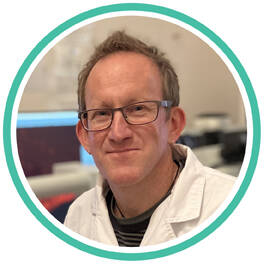
University of Otago
$256,740
Mothers under stress: identifying a neural target for treating postpartum anxiety
Approximately 1 in 5 women suffer from anxiety during or following pregnancy. How the brain regulates anxiety in mothers is poorly understood, posing a significant barrier to effective therapeutic strategies. We aim to identify a target for the development of effective therapies to treat postpartum mood disorders. We have discovered a novel pathway in the brain of mother mice which is sensitive to the pregnancy and lactation hormone, prolactin, and can inhibit neurons that regulate the response to stress. This project utilises a mouse model of postnatal anxiety and cuttingedge neuroscience techniques to understand how this pathway regulates anxiety in postpartum mothers.
Dr McQuillan is an early career research fellow in the Department of Physiology at the University of Otago in Dunedin, mentored by Dr Rosemary Brown. This project is part of a new collaboration with Dr Joon Kim.
University of Otago
$15,000
Investigating astrocyte-neuron crosstalk in Parkinson's disease
The human brain hosts different cell types, including neurons and astrocytes. Neurons are the functional unit of the brain, whereas astrocytes are the support cells, and both are integral to normal brain function. In incurable brain diseases like Parkinson’s disease, specific neurons are more vulnerable to death, leading to neurological symptoms. Defects in astrocytes can affect neighbouring neuronal health; however, what induces the neuronal demise is incompletely understood. In this study, we will test whether malfunctioning astrocytes can kill neurons in Parkinson’s disease and whether correcting the astrocytes may revive the dying neurons.
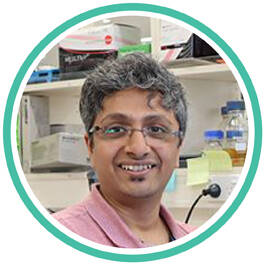
Dr Basak is an early career research fellow in the Department of Biochemistry at the University of Otago in Dunedin. He will be recruiting an Honour’s student to work on this project.
University of Auckland
$15,000
Trial of Pregabalin for Cough in CANVAS Syndrome
Imagine if you had a cough that just never went away – a cough so bad that it could make you faint. People with the genetic neurological disease, CANVAS have that sort of cough – and there’s no known treatment.
In our study we’re going to see if the medication, pregabalin (a drug used for chronic cough in other diseases), can treat the CANVAS cough. Participants will have 12 weeks on the active medication drug and 12 weeks on an identical placebo and we will monitor their cough using an app on their phone to see if the active drug is better.
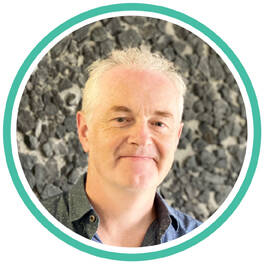
Associate Professor Roxburgh is a neurologist at Auckland Hospital. Together with Ms Juno Barnett Collins, he will supervise trainee doctor Mr Rory Burnell in an Honours project to get his first experience with neurological research.
University of Auckland
$15,000
Cytokines as Neuromodulators: Characterising neuronal cytokine and cytokine receptor expression in the human brain and its implications in Parkinson’s Disease
Envision our body as a lively city, where cells act as citizens conversing with distinct languages. Nerve cells employ neurotransmitters to control complex brain functions, and immune cells use cytokines to manage inflammation. Recent breakthroughs challenge this division, uncovering that nerve cells also use cytokines to converse. Our research will identify areas where this unexpected immunological communication happens normally in the human brain and investigate its disruption in Parkinson’s disease. Through this, we aim to pinpoint possible malfunctions in nerve cell communication in Parkinson’s disease patients, paving the way for potential treatments by leveraging the influence of the immune system.
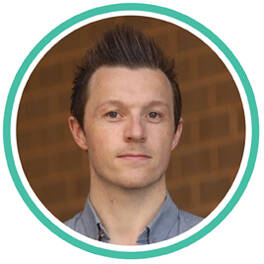
Dr Rustenhoven is a Rutherford Discovery Fellow in the Department of Pharmacology at the University of Auckland. Together with Professor Mike Dragunow, he will supervise Honours student Luca Vinnell to carry out the work, supported also by Professor Maurice Curtis.
University of Auckland
$14,879
Unlocking Hope: Establishing preclinical models to investigate PINK1 early-onset Parkinson's disease
Everyone is likely familiar with Parkinson's disease, probably thinking of an older man, perhaps stooped over, with an uncontrollable shaking hand. But did you know there is a type of Parkinson's that can occur in people as young as 12, and that this can be inherited from parents who have never shown any symptoms of Parkinson's themselves? We want to investigate a genetic form of Parkinson's that causes disease in young, mainly Pasifika, people. Rather than doing experiments on people themselves, we will take small skin samples and grow cell-lines that can be used to test future possible therapies.
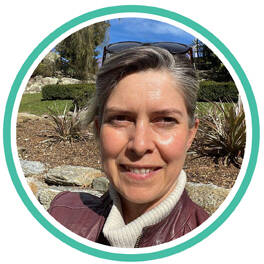
Dr Buchanan is a Research Genetic Counsellor at Auckland Hospital. Together with neurologist Associate Professor Richard Roxburgh, and neuroscientist Dr Peter Freestone, she will co-supervise student Tame Vailahi to work on the project.

University of Canterbury
$14,700
Validation of the WiBCI-16T electroencephalography (EEG) system for detection of swallowing movement related cortical potentials (MRCPs)
Swallowing impairment (dysphagia) following neurological disease or injury can significantly impact individuals' health and wellbeing and places an economic burden on our health system. New approaches to dysphagia rehabilitation have reframed swallowing as a skill that can be relearned, with this learning reflected through changes in the brain. A new tool that allows us to visualise brain activation is available that might simplify identification of these changes. This research will investigate the ability of the new device to evaluate brain activation during swallowing, which could expand potential for future studies to investigate more permanent brain changes associated with swallowing rehabilitation.
Madeline Mills is a PhD student at the University of Canterbury, supervised by Distinguished Professor Maggie-Lee Huckabee and Dr Phoebe McRae, in collaboration with Dr Imran Khan Niazi.
University of Melbourne
$173,500
Exposure to antiseizure medications in utero: unravelling and preventing the risk of poor fetal growth and its long-term sequelae
Anti seizure medications are frequently taken in pregnancy to treat epilepsy and other conditions. While these can cause birth defects, other outcomes for the baby are not known. Exposure to these in pregnancy has been linked to poor fetal growth, which may cause developmental problems. Our study aims to prevent these outcomes by determining which medications put the baby at highest risk of poor growth, as well as study other serious long term side effects and understand how these occur.
Dr Berry-Noronha is a neurology trainee at Christchurch Hospital, who will travel to the University of Melbourne to complete a PhD and clinical epilepsy fellowship with the Director of the Comprehensive Epilepsy Program, Associate Professor Piero Perucca.
University of Auckland
$228,106
Endothelial progenitors in the skull bone marrow: Improving vascular repair following mild traumatic brain injury
Concussion is common in young adults and can lead to long-term memory issues and personality changes, impacting an individual's work and personal relationships. We believe this is caused in part by inappropriate repair of brain blood vessels following injury. Recently, we found stem cells within the skull that can contribute to blood vessel repair. This project will characterise these stem cells and assess mechanisms we could use to improve the effectiveness of their repair functions. This will improve our understanding of concussion and offers hope to improve patient outcomes through the use of skull-derived stem cells.
Dr McCullough will be mentored by Professor Mike Dragunow and Dr Justin Rustenhoven in the Department of Pharmacology at the University of Auckland.
University of Auckland
$152,727
Investigating Mechanisms of Neuroinflammation and Tau Formation in Chronic Traumatic Encephalopathy and Alzheimer's Disease
My research explores the earliest brain changes in Chronic Traumatic Encephalopathy (CTE), a degenerative brain disease associated with repetitive head knocks and often seen in contact sports players. I will explore the role of inflammation in CTE, to understand if this process triggers the production of abnormal tau protein that is involved in brain cell degeneration. To do this I will examine human brain tissue and use cell culture models to model inflammation and brain injury. My hope is that understanding these early changes will help us improve diagnosis and treatment of CTE in the future.
Danica Hamlin is supervised by Dr Helen Murray, Dr Justin Rustenhoven and Professor Mike Dragunow.

University of Auckland
$152,727
Development of targeted therapy for the treatment of Glioblastoma
Glioblastoma (GBM) is a very debilitating disease with minimal treatment options. Current chemotherapy agents are ineffective due to their inability to cross the blood-brain barrier which blocks most drugs from entering the brain. This project aims to develop GBM treatment that is tumour-specific, allowing cancer drugs to cross the blood-brain barrier and accumulate in tumour tissue. The addition of metal anticancer agents would further enhance their potential. This approach will vastly improve the therapeutic benefit to patients and decrease unwanted side effects. If successful, this strategy will increase the number of chemotherapy agents available for treatment of GBM patients.
Yuge Liu is supervised by Dr Jiney Jose, Dr Muhammad Hanif and Dr Thomas Park.

University of Auckland
$152,727
Identification of biofluid biomarkers for Alzheimer’s disease
This project will advance efforts of the Dementia Prevention Research Clinics to identify a ‘biomarker signature’ that predicts development of dementia. Dementia, an age-related disease associated with memory loss, is a growing health problem in New Zealand. Delaying or preventing progression of the disease will be crucial for managing this looming health crisis. Successful administration of these therapeutics in the future will require biomarkers to screen for who will benefit most. Blood-based biomarkers are ideal as they are cost-effective and easily accessible.
Harriet Spoelstra is supervised by Dr Erin Cawston, Professor Lynette Tippett and Professor Mike Dragunow.
University of Otago
$8,000
ORC5: Investigating a novel disease gene in Meier-Gorlin syndrome
Supervised by Associate Professor Louise Bicknell
This project aims to explore a gene called ORC5 that is found to be different in two individuals, resulting in shared clinical features such as a significantly smaller head size (microcephaly), and other traits associated with a rare genetic disease known as Meier-Gorlin syndrome. By characterising ORC5, we can begin to understand why these individuals present with Meier-Gorlin syndrome-like features to aid in their diagnosis and prognosis. This research also has the potential to assist in diagnosing future patients globally. Families deserve the answer, and we have the ability to work towards a conclusion for these patients and their families.

University of Otago
$8,000
Charting neuronal survival pathways in Parkinson’s disease
Supervised by Dr Indranil Basak
Parkinson's Disease remains the second most prevalent neurodegenerative disorder worldwide, affecting millions of people. There is no available cure or treatment that slows disease progression, owed largely to a gap in knowledge in what kills some brain cells while other brain cells survive the disease. It is theorised that metal transporters may play a role in the differential survival of brain cells. My aim is to characterise and test whether the protection against Parkinson’s disease is caused by metal regulation in brain cells, to provide knowledge that will be used in future research for targeted therapies.

University of Otago
$8,000
A New Peripheral Gene Therapy Approach for Treating Neuropathology associated with Alzheimer's Disease
Supervised by Dr Bruce Mockett
We often think of viruses as causes of sickness. However, by replacing their harmful, sickness-causing gene content with beneficial genes, they can become medicinal. When treating Alzheimer’s disease (AD), it’s typically difficult to get medicine into the brain. In this project, we are employing a virus shown to reach the brain via intravenous injection, aiming to increase the expression of a beneficial protein that promotes brain health and improves symptoms of AD. We will test the ability of this approach to significantly reduce AD neuropathology in an animal model of the disease.
$20,000
The Australasian Winter Conference on Brain Research (AWCBR) in Queenstown is the major congress for Neuroscience in Aotearoa, with a strong Australian presence and other international registrants, particularly from Asia and North America. The Neurological Foundation has generously supported the AWCBR Society in the past. Thanks to this financial backing, we have been able to subsidise the travel costs of students and early career researchers (ECRs) in Aotearoa presenting their research at the annual meeting. This grant is for the 2024 meeting, to be held 24-28th August 2024. This support is now more critical than ever due to the increased accommodation and travel costs.
$8,472
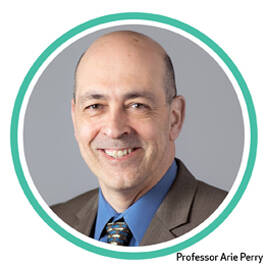
This funding will sponsor Prof. Arie Perry, Professor of Neuropathology at UCSF, to be the keynote speaker at the Australian and New Zealand Society for Neuropathology Annual Scientific Meeting in Queenstown. Professor Perry is a world expert in brain tumour diagnosis. He will update New Zealand and Australian pathologists on the latest advances in brain tumour diagnosis and their application. The meeting will occur as part of the Australasian Winter Conference for Brain Research with neuroscientists also in attendance. There will be opportunity for local and regional researchers to engage with Prof. Perry and discuss opportunities for regional collaboration.
University of Otago
$4,249
International Headache Congress 2023, Seoul
The University of Auckland
$2,920
Training at the University of Wollongong
University of Canterbury
$2,750
European Brain and Behaviour conference, Amsterdam
Te Whatu Ora Te Toka Tumai Auckland
$2,487
Australasian Winter Conference on Brain Research, Queenstown
University of Auckland
$2,030
Australasian Neurotrauma Symposium 2023, Brisbane
University of Canterbury
$1,450
Australasian Winter Conference on Brain Research, Queenstown
University of Otago
$1,285
Australasian Neuroscience Society Annual Meeting, Brisbane
University of Auckland
$1,271
Australasian Neurotrauma Symposium 2023, Brisbane
 Donate