







 What we do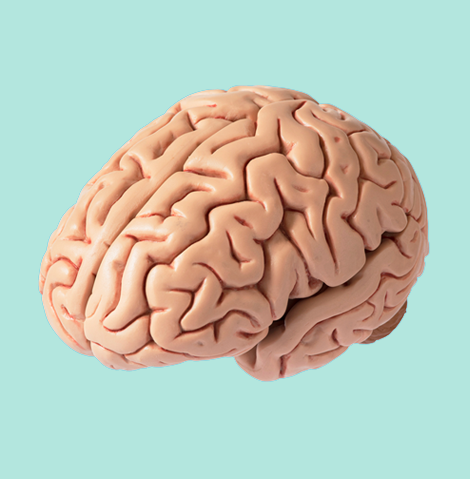
Neurology is a branch of medical science that focuses on disorders and diseases of the nervous system. Whilst neurology is often associated with brain disorders, it actually encompasses disorders that affect several other areas of the body
Neurological Conditions

Dementia is a collective term that describes a series of symptoms associated with gradual mental decline. It is not one specific disease, rather a symptom of several underlying diseases and it is not a normal part of ageing.
The most common form of dementia is Alzheimer’s disease, accounting for 60 to 80 percent of cases of dementia in New Zealand. The second most common cause is vascular dementia.
Autism, or Autism Spectrum Disorder, refers to a range of neurological conditions that affect how people think, act, communicate and perceive the world around them. Typically characterized by difficulty in communication, both verbally and non-verbally, and challenges with social skills, people who suffer autism normally do so throughout their life.
Batten disease is a fatal inherited disorder of the nervous system, which typically manifests between the ages of two and six. The disease has several different forms that share the same symptoms and causality but vary in severity and age of onset.
Batten disease is relatively rare, affecting 6 in every 100,000 live births in New Zealand.
A brain tumour is an abnormal mass of cell growth in the brain. Brain tumours can either be primary, a cancer that begins in the brain, or metastatic, a cancer that has formed somewhere else in the body and has spread to the brain.
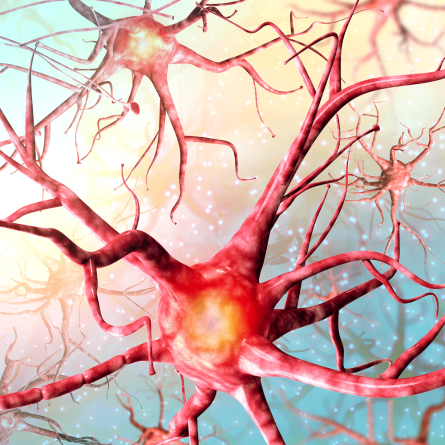
Cerebral palsy is an umbrella term for a group of childhood brain disorders that affect movement and posture. It hinders the body’s ability to perform controlled movements and can also affect eating, speaking, breathing, bladder and bowel control.
Epilepsy is a neurological disorder where a person suffers sudden recurrent seizures, including loss of consciousness or convulsions. Epilepsy may be a symptom of a number of different brain diseases, but many people who have epilepsy are otherwise normal. Seizures are not necessarily a sign of epilepsy, and to be considered to have epilepsy a person must have multiple unprovoked seizures caused by abnormal electrical activity in the brain.

Functional neurological disorder (FND) is a disorder of the functioning of the nervous system. In other words, there is a problem with the software of the nervous system.
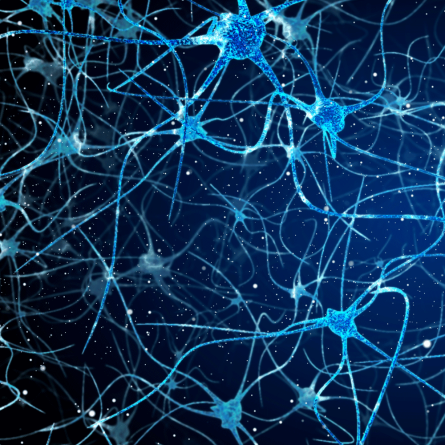
Huntington’s disease (HD) is an inherited brain disorder that causes cells in specific parts of the brain to die which results in impairment of both mental capability and physical control. It is a genetic disorder caused by an expanded gene. Everybody has the gene, but those who develop the disease have a longer version of the gene.
Mental, behavioural or neurodevelopmental disorders come under the same classification internationally. Some common ones are:
- Schizophrenia
- Bipolar disorder
- Depression
- Anxiety disorders
Cont....

Migraine is often a recurring condition, with migraine sufferers experiencing repeat attacks. Typically migraines are felt on only one side of the head and are accompanied by other symptoms which may or may not include nausea, vomiting, sensitivity to light, vision loss and migraine aura.
Motor Neuron Disease (MND) is a degenerative neurological condition that causes the death of nerve cells (neurons) that control the muscles in the body. As these nerve cells die off the body can no longer activate these muscles, causing them to weaken and waste away.

Multiple sclerosis (MS) is an inflammatory disorder that affects the brain and spinal cord (the central nervous system). Sclerosis means scarring and the term ‘multiple sclerosis’ refers to multiple tiny scars which occur throughout the central nervous system and affect the body’s function in a variety of ways.
Parkinson’s disease is a degenerative brain disorder that causes the brain cells responsible for making dopamine to stop working and eventually die. Dopamine is a neurotransmitter, a chemical required to send signals from the brain, necessary for quick and well-coordinated movement. As these dopamine-making cells die off, the symptoms of Parkinson’s become more pronounced.
Strokes are broadly divided into two categories: strokes caused by bleeding inside the brain called “haemorrhagic strokes”, and “ischaemic strokes” that occur when blood flow is restricted to one or more parts of the brain, stopping the flow of oxygen to that area of the brain and causing brain cells to die off.
Traumatic Brain Injury (TBI) occurs when some external force has caused damage to the brain.
TBI ranges in severity of damage and symptoms, however our understanding of how the brain responds even to mild injury is still in its infancy and research is ongoing to understand how blunt trauma can increase the risk of a wide variety of neurological conditions.
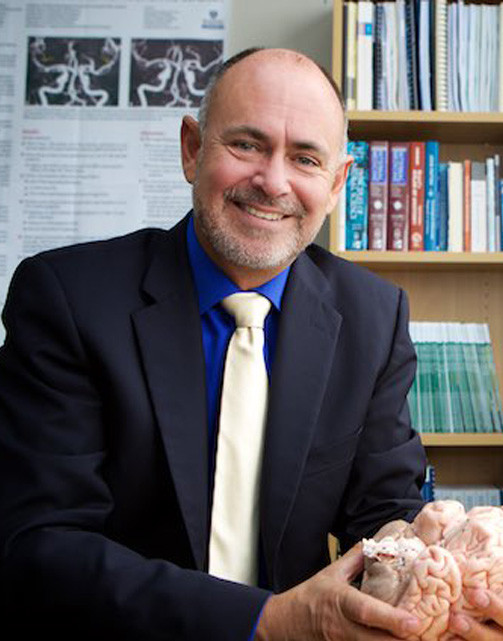

Thanks to the Neurological Foundation and their loyal supporters, we have created an environment where neurological researchers can gather data from real-life clinical situations every day
 Donate